
Anti-Inflammatory Diet: What to Eat and Avoid
Chronic inflammation is linked to many health issues, including heart disease, arthritis, diabetes, autoimmune conditions, and even some cancers. An anti-inflammatory diet focuses on whole, nutrient-dense foods rich in antioxidants, omega-3 fatty acids, fiber, and polyphenols—compounds that help reduce inflammatory markers like C-reactive protein (CRP), IL-6, and TNF-α. Recent evidence (including 2023–2025 studies and meta-analyses) shows that patterns like the Mediterranean diet significantly lower inflammation, improve cardiometabolic health, support brain function, and may reduce risks of chronic diseases. For example, Mediterranean-style eating has been associated with 20–30% reductions in inflammatory markers and cardiovascular events in high-risk groups.
There’s no one strict “anti-inflammatory diet,” but the most effective approaches emphasize plant-based foods, healthy fats, and limited processed items. Benefits include better joint health, improved mood, enhanced immune function, weight management, and potentially slower aging processes. Always consult a doctor or dietitian before major changes, especially with medical conditions.
Foods to Eat: The Anti-Inflammatory Powerhouses
Prioritize these foods daily for their proven anti-inflammatory effects. Aim for variety—”eat the rainbow” of colorful produce—and include them in most meals.
- Fruits (especially berries): Blueberries, strawberries, raspberries, blackberries, cherries, and oranges are packed with antioxidants like anthocyanins and vitamin C. Studies show berries reduce oxidative stress and inflammation markers. Eat 2–3 servings daily (e.g., fresh, frozen in smoothies, or as snacks).
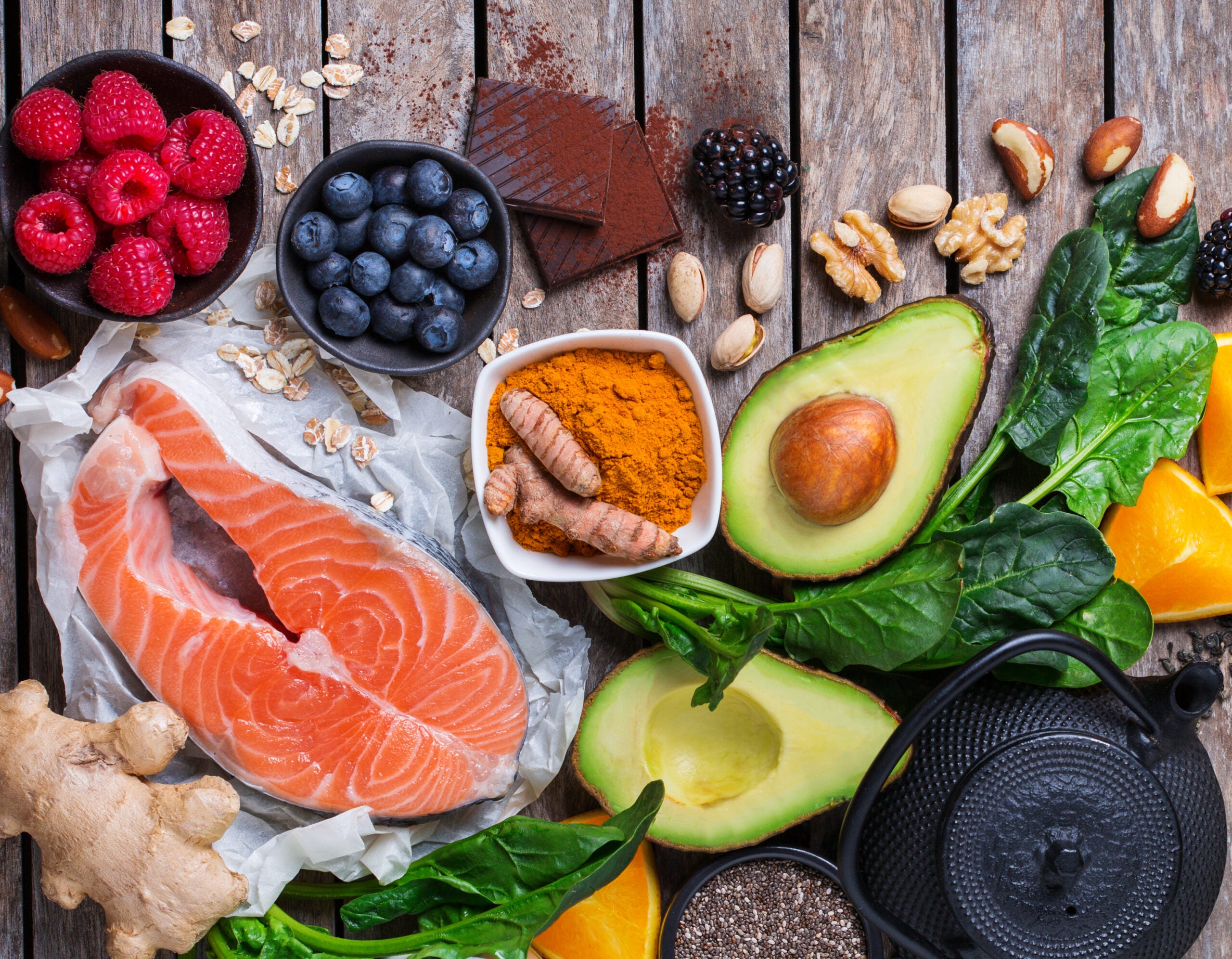
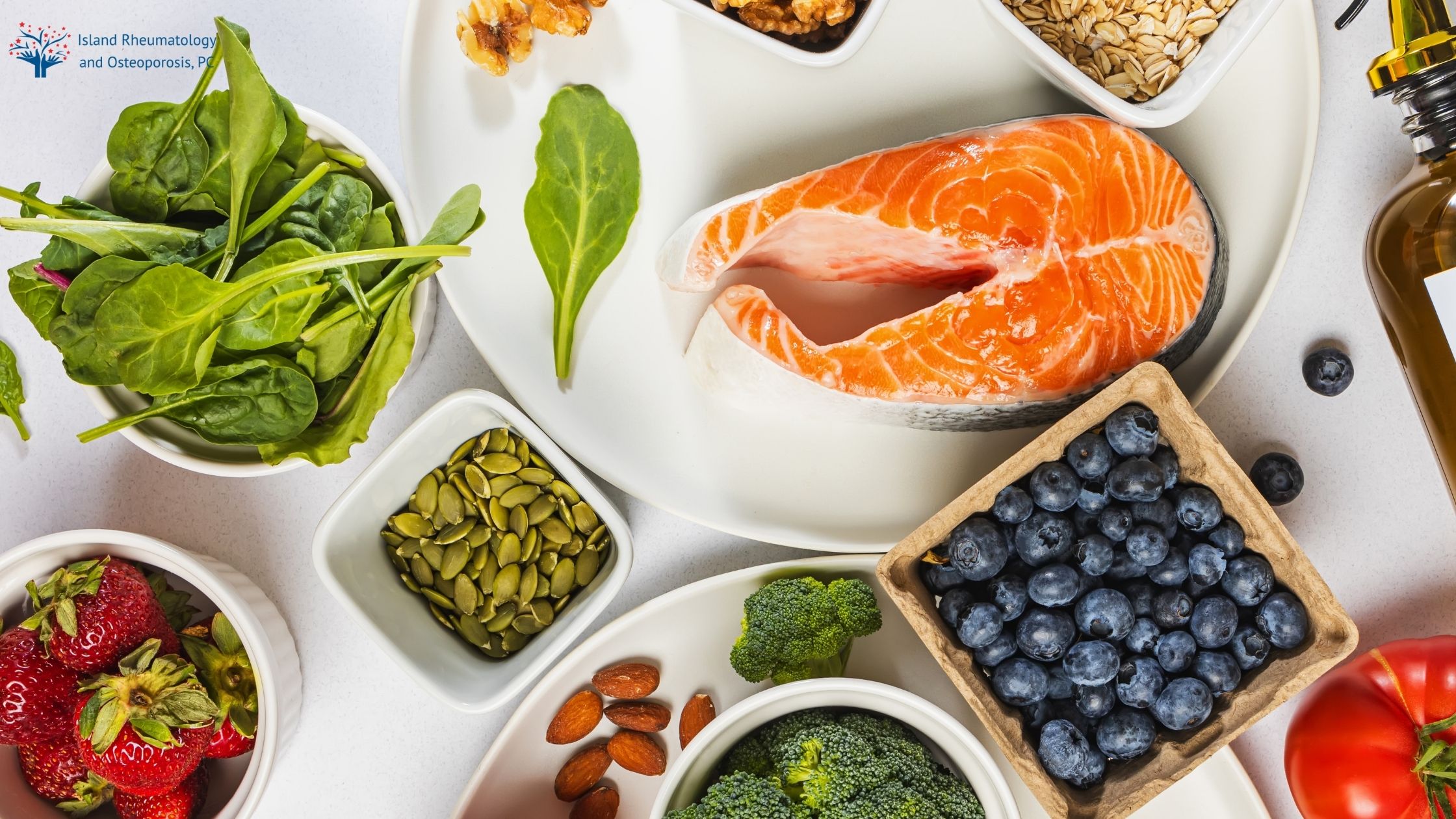
- Vegetables (leafy greens and cruciferous): Spinach, kale, collards, broccoli, cauliflower, Brussels sprouts, tomatoes, carrots, beets, and sweet potatoes provide fiber, vitamin K, and polyphenols. Leafy greens and cruciferous veggies are particularly effective at lowering CRP and supporting gut health.
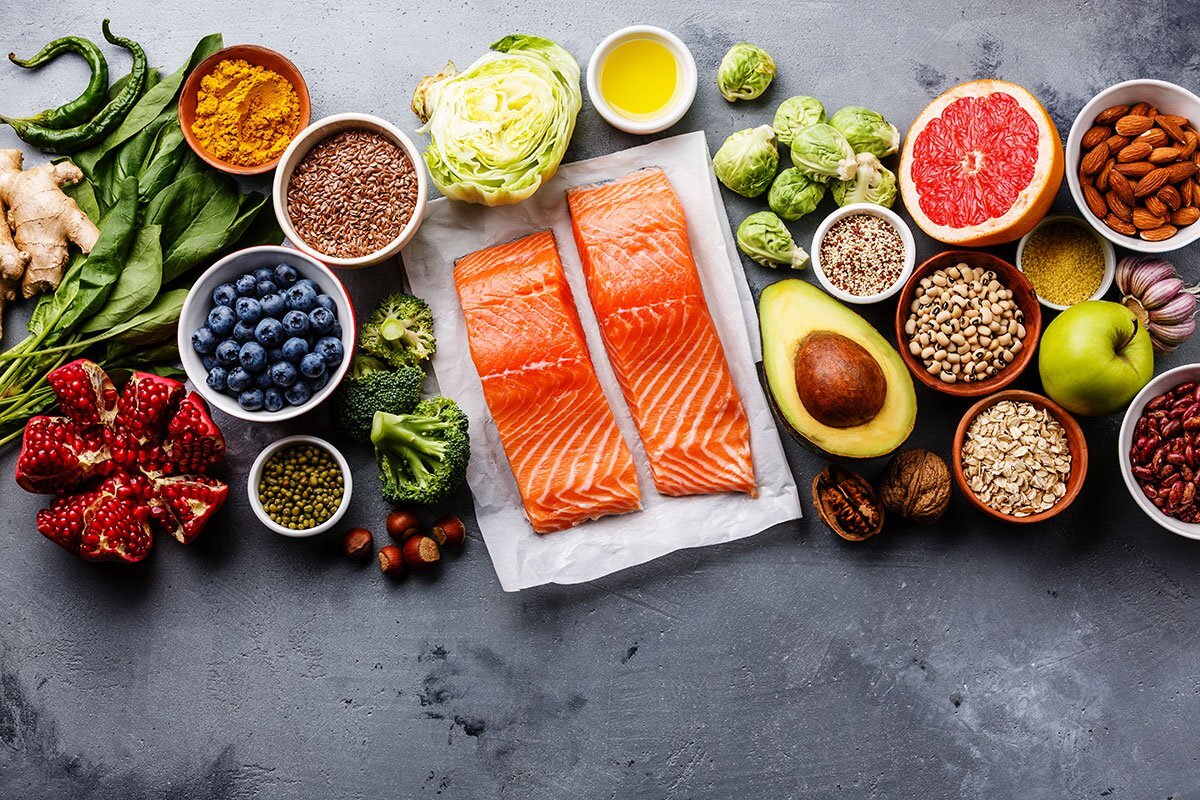
- Fatty Fish (omega-3 sources): Salmon, mackerel, sardines, herring, tuna, and anchovies supply EPA and DHA, which directly combat inflammation. Aim for 2–3 servings per week (about 8–12 oz total). Plant-based alternatives like flaxseeds, chia seeds, and walnuts offer ALA (a precursor).
:max_bytes(150000):strip_icc()/7-Day-High-Protein-Anti-Inflammatory-Mediterranean-Diet-Meal-Plan-Created-by-a-Dietitian-3173d92064e64103883d52a8ecf8aa5c.jpg)
- Nuts and Seeds: Almonds, walnuts, pistachios, chia, flax, and hemp seeds deliver healthy fats, vitamin E, and magnesium. A handful daily (about 1 oz) supports reduced inflammation and heart health.
- Healthy Fats: Extra-virgin olive oil (use for cooking/dressings), avocados, and olives provide monounsaturated fats that lower inflammatory responses. Olive oil is a Mediterranean staple with strong evidence for vascular benefits.
- Whole Grains and Legumes: Oats, quinoa, brown rice, barley, lentils, beans, and chickpeas offer fiber that feeds gut bacteria and reduces systemic inflammation. Target 25–38g fiber daily.
- Spices and Herbs: Turmeric (with black pepper for absorption), ginger, garlic, cinnamon, rosemary, and green tea contain potent compounds like curcumin and gingerol. Add to meals, teas, or golden milk.
- Other Boosters: Dark chocolate (70%+ cocoa, in moderation), green tea, coffee (unsweetened), and fermented foods (like yogurt or kimchi) for probiotics and additional polyphenols.
A Mediterranean-inspired plate might look like grilled salmon with quinoa, a big salad of greens/tomatoes/olives/avocado drizzled in olive oil, plus berries for dessert.
Foods to Avoid or Limit: The Inflammation Promoters
These trigger or worsen inflammation by promoting oxidative stress, gut imbalance, or pro-inflammatory cytokines. Minimize them for best results.
- Processed and Ultra-Processed Foods: Fast food, chips, packaged snacks, sugary cereals, and ready meals often contain trans fats, additives, and refined oils.
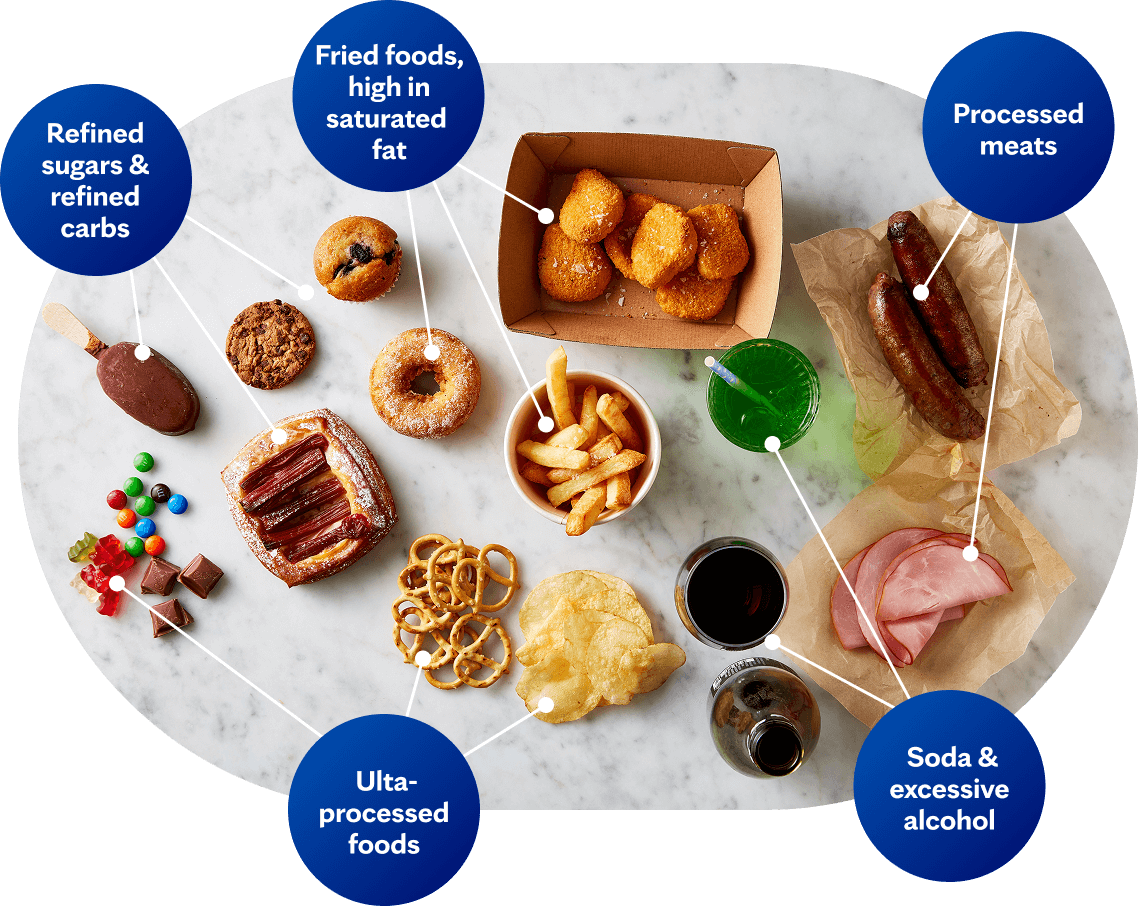
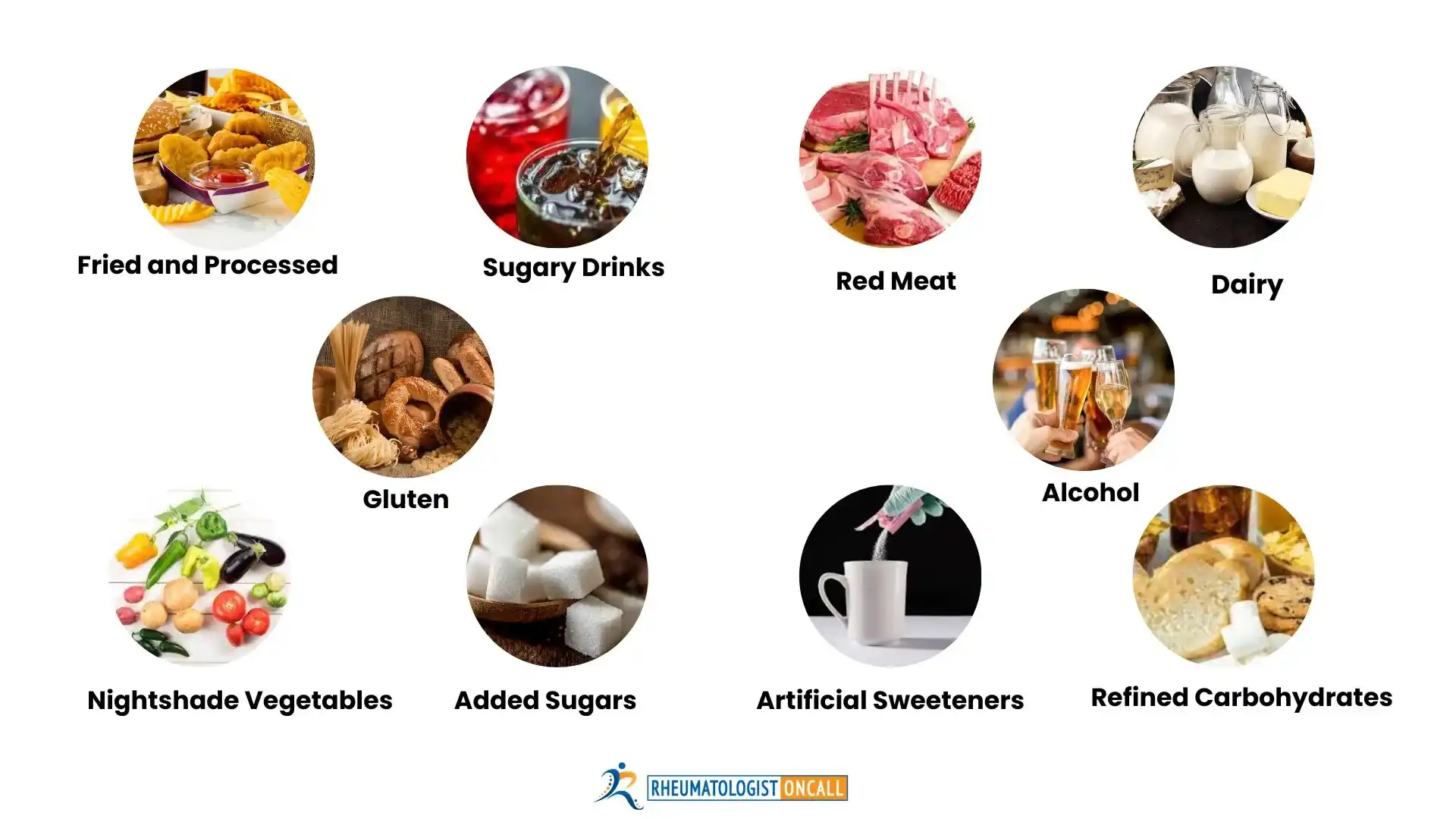
- Refined Carbohydrates and Sugars: White bread, pastries, cookies, cakes, white rice/pasta, and added sugars spike blood sugar and inflammation. Limit sugary drinks (soda, energy drinks, sweetened juices).
- Fried Foods: French fries, donuts, fried chicken—high in advanced glycation end-products (AGEs) and unhealthy oils.
- Red and Processed Meats: Burgers, steaks, bacon, sausages, hot dogs, and deli meats link to higher CRP and chronic disease risk. Limit red meat to 12–18 oz/week cooked weight; avoid processed.
- Excessive Alcohol: More than moderate amounts (1 drink/day for women, 2 for men) can fuel inflammation.
- High-Saturated Fat Dairy (in excess): Full-fat cheese, cream, butter—opt for low-fat or plant-based alternatives if needed.
- Trans Fats and Certain Oils: Found in margarine, shortening, and some processed items—avoid completely.
Practical Tips and Sample Meal Ideas
- Start Small: Swap one inflammatory food (e.g., soda for green tea) and add one anti-inflammatory (e.g., berries to breakfast).
- Meal Examples:
- Breakfast: Oatmeal with berries, walnuts, and chia seeds.
- Lunch: Grilled salmon salad with leafy greens, tomatoes, avocado, olive oil dressing.
- Dinner: Stir-fried veggies with tofu/chicken, quinoa, turmeric, and ginger.
- Snack: Apple with almond butter or dark chocolate square.
- Lifestyle Pairing: Combine with exercise, stress management, sleep, and hydration for amplified benefits.
- Track Progress: Notice energy, joint comfort, or skin improvements over 4–8 weeks.